Skip to navigation Skip to content
DSC_0289

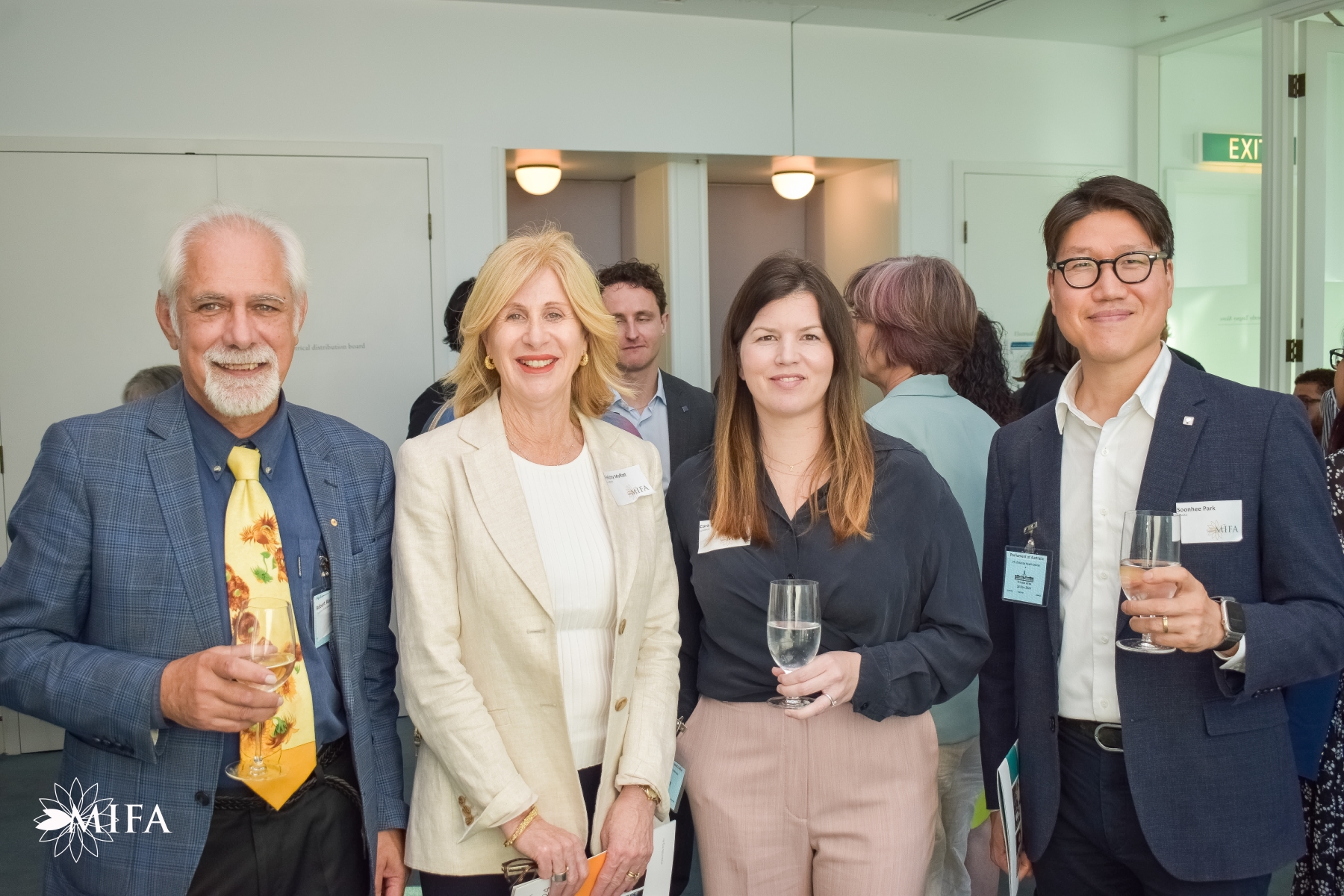
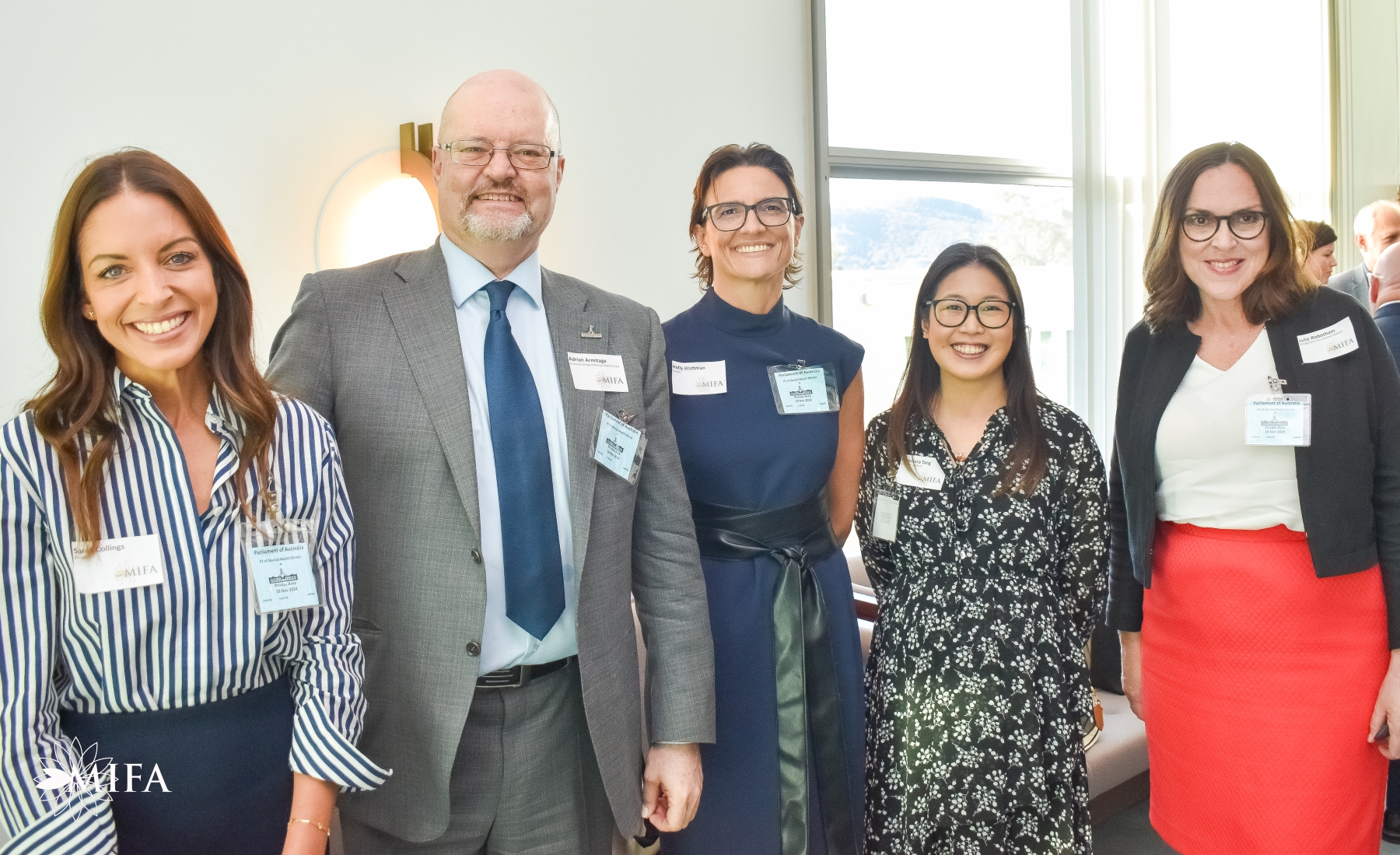
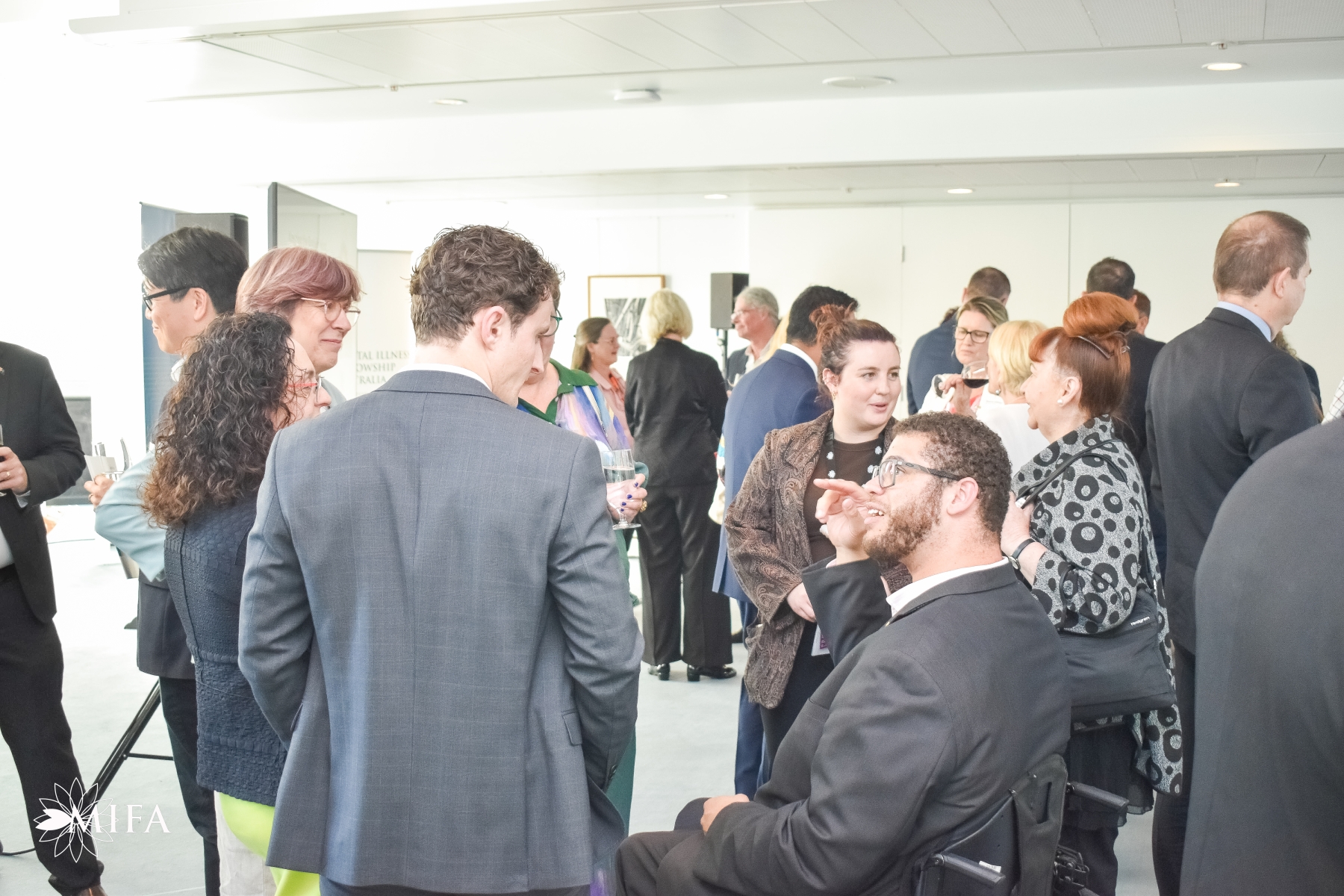
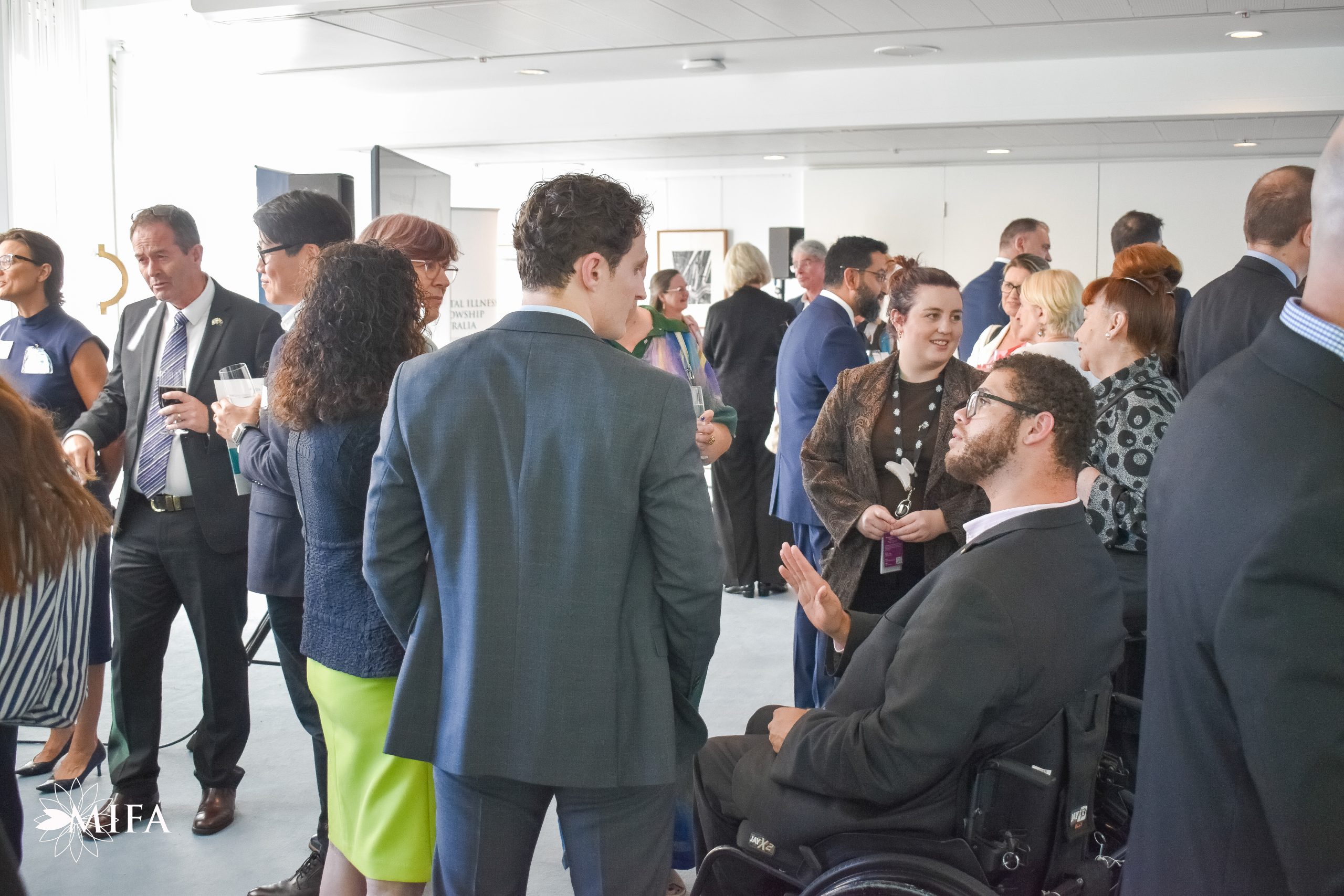
Parliamentary Friends of Mental Health 

History

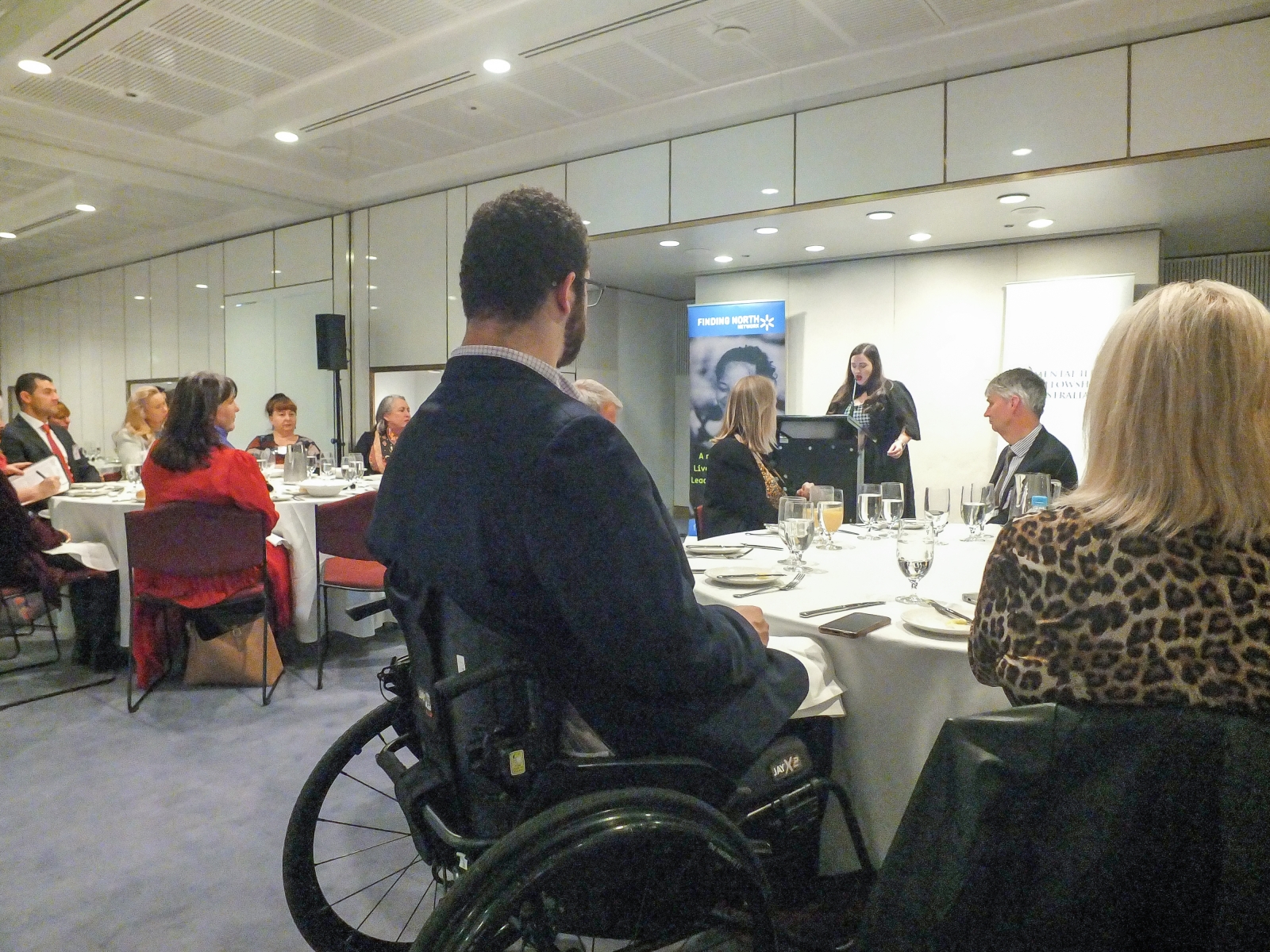
In 2004, MIFA approached Parliament with a clear vision: to establish the Parliamentary Friends of Mental Health. At the time, it was a new and important idea — creating a dedicated space where mental health could be discussed openly, thoughtfully, and with real input from the people most affected.

From the beginning, the group was designed to bring together voices that are too often kept separate. It gave Parliamentarians the chance to hear directly from people with lived experience, alongside researchers and practitioners working on the front lines of mental health care, advocacy, and reform. The goal was simple but significant: to build understanding, strengthen relationships, and help shape better, more informed policy.

The response was immediate and overwhelmingly positive. What began as a single initiative quickly became a valued forum for connection and conversation — a place where stories, evidence, and lived experience could sit side by side. Over time, the Parliamentary Friends of Mental Health grew into a lasting advocacy platform, helping to keep mental health firmly on the national agenda and supporting progress toward a more informed, compassionate, and rights-based approach for Australians.

More than two decades on, the group remains a powerful reminder of what can happen when people come together with a shared commitment to listening, learning, and creating change.

Event: 25th March 2026

5:00 – 7:00 pm
Mural Hall A, Parliament House, Canberra

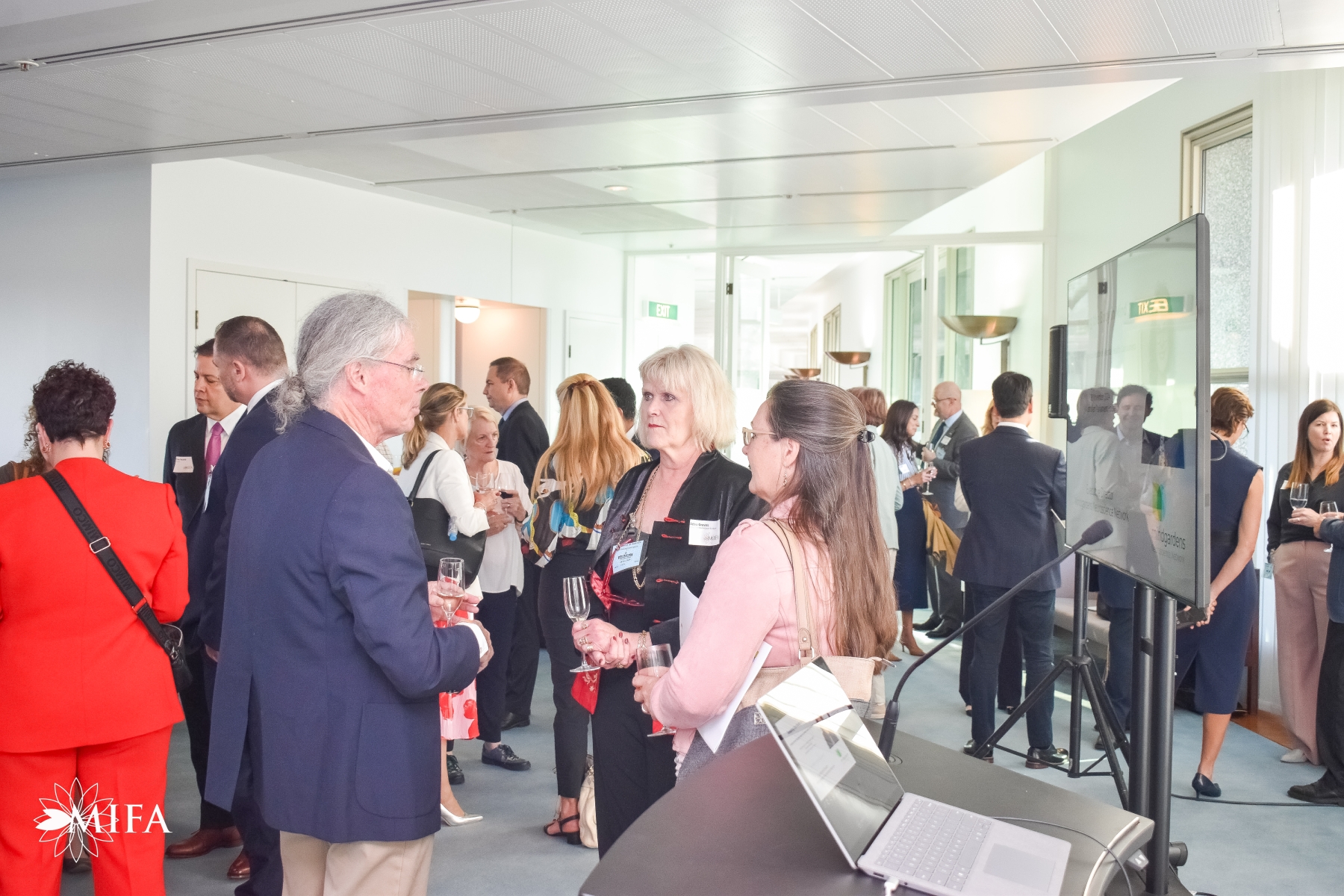
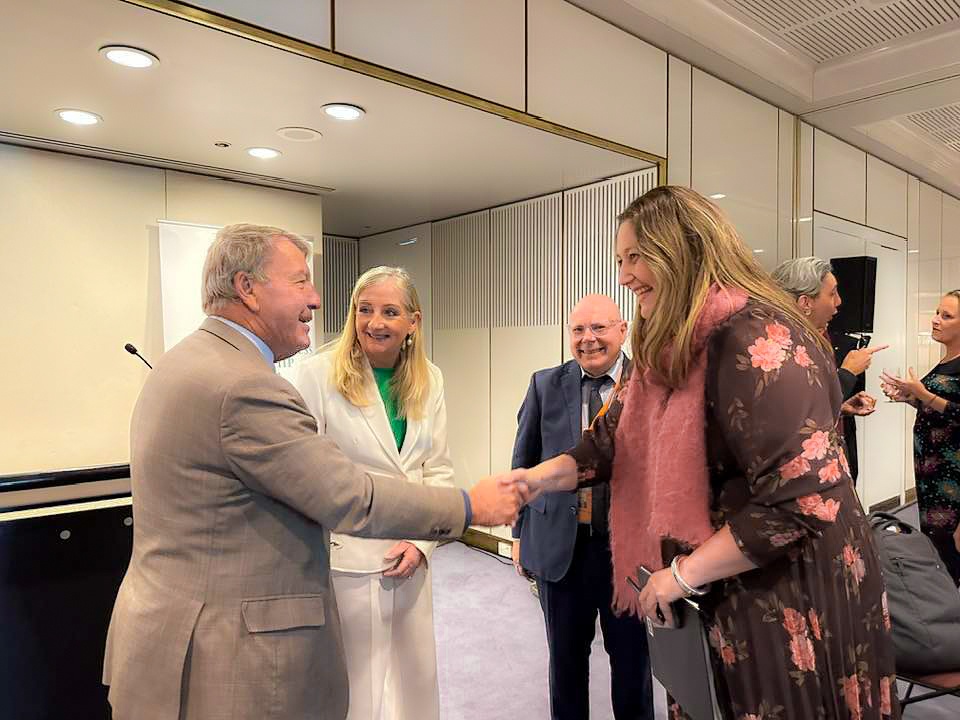
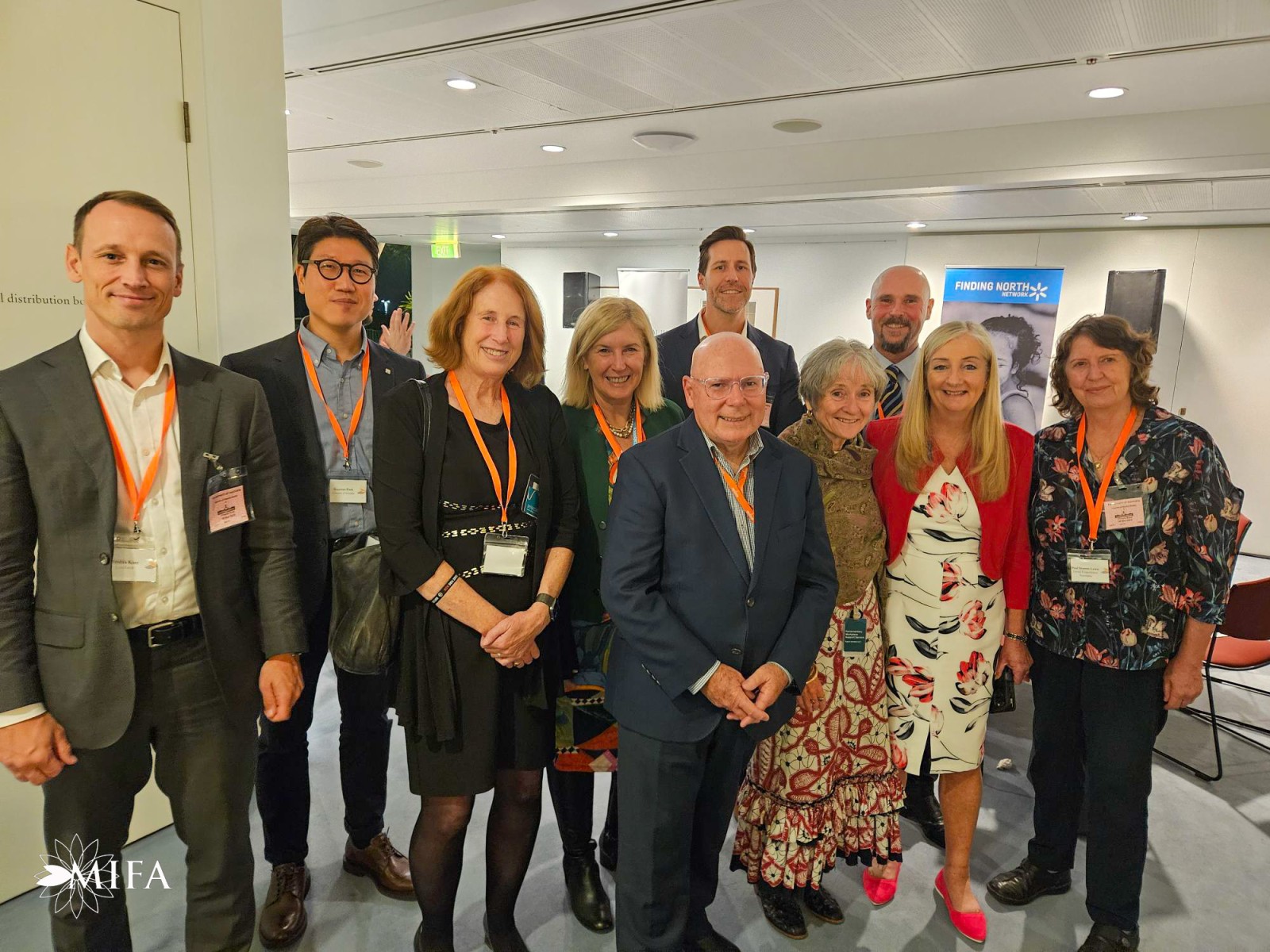
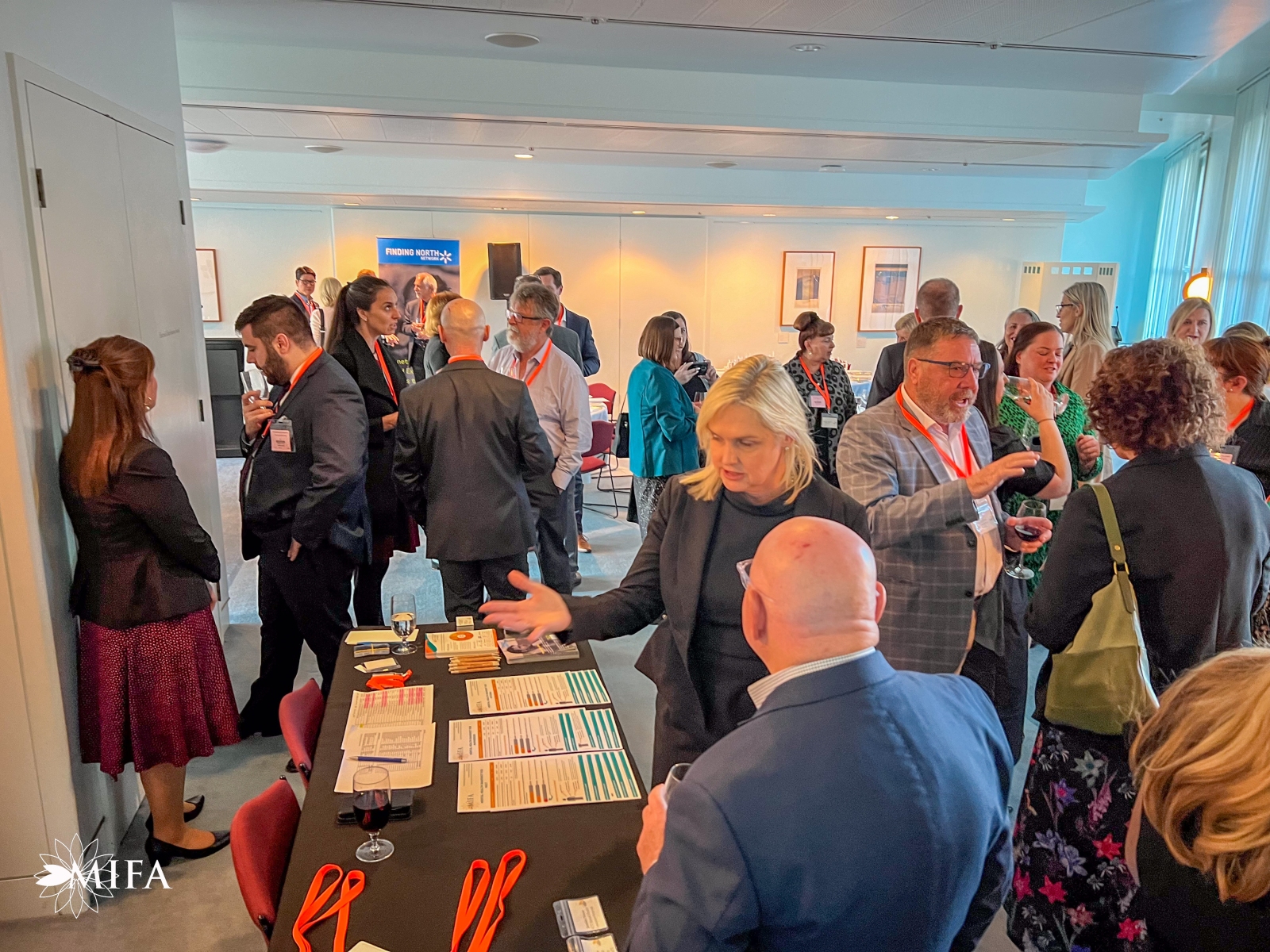
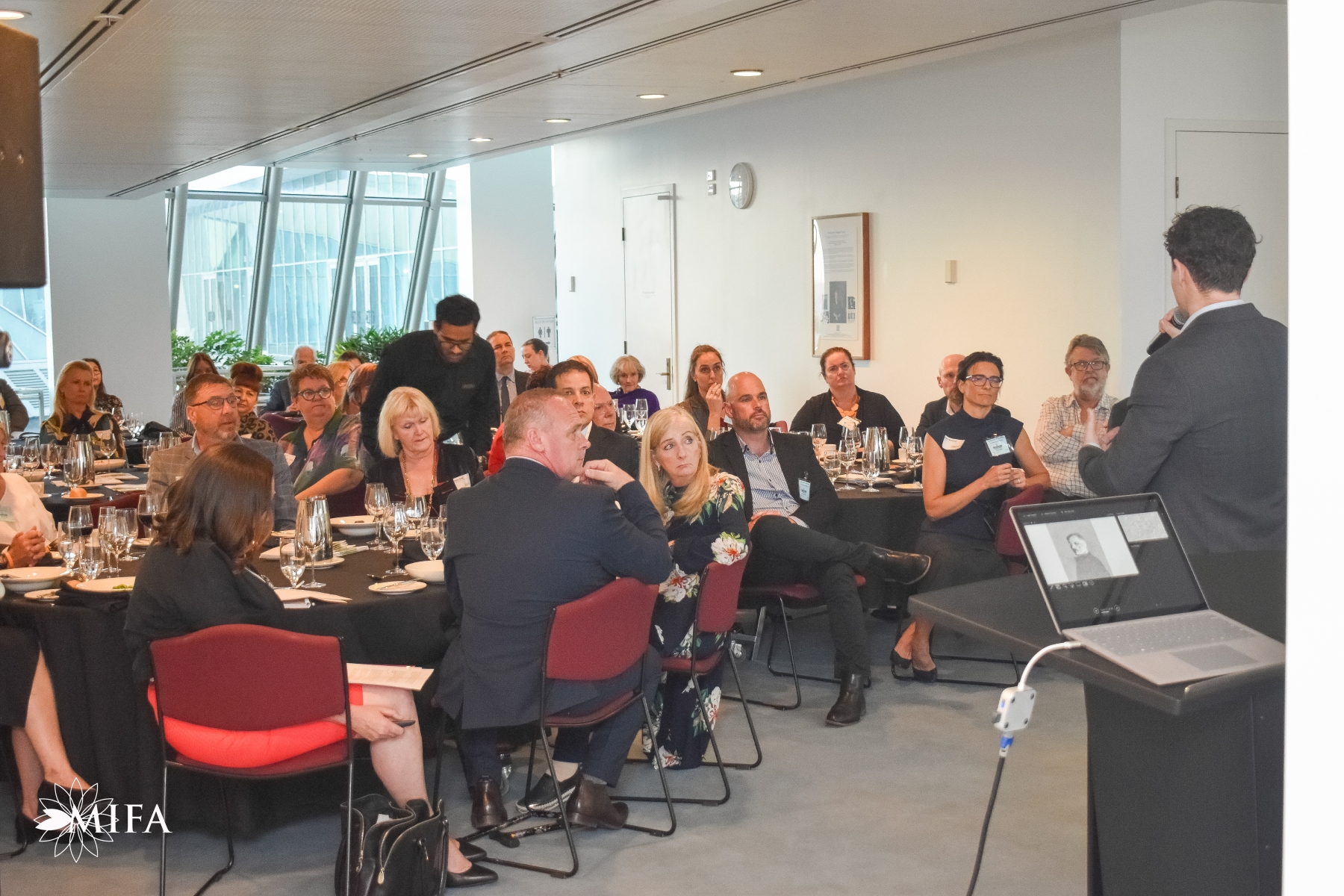
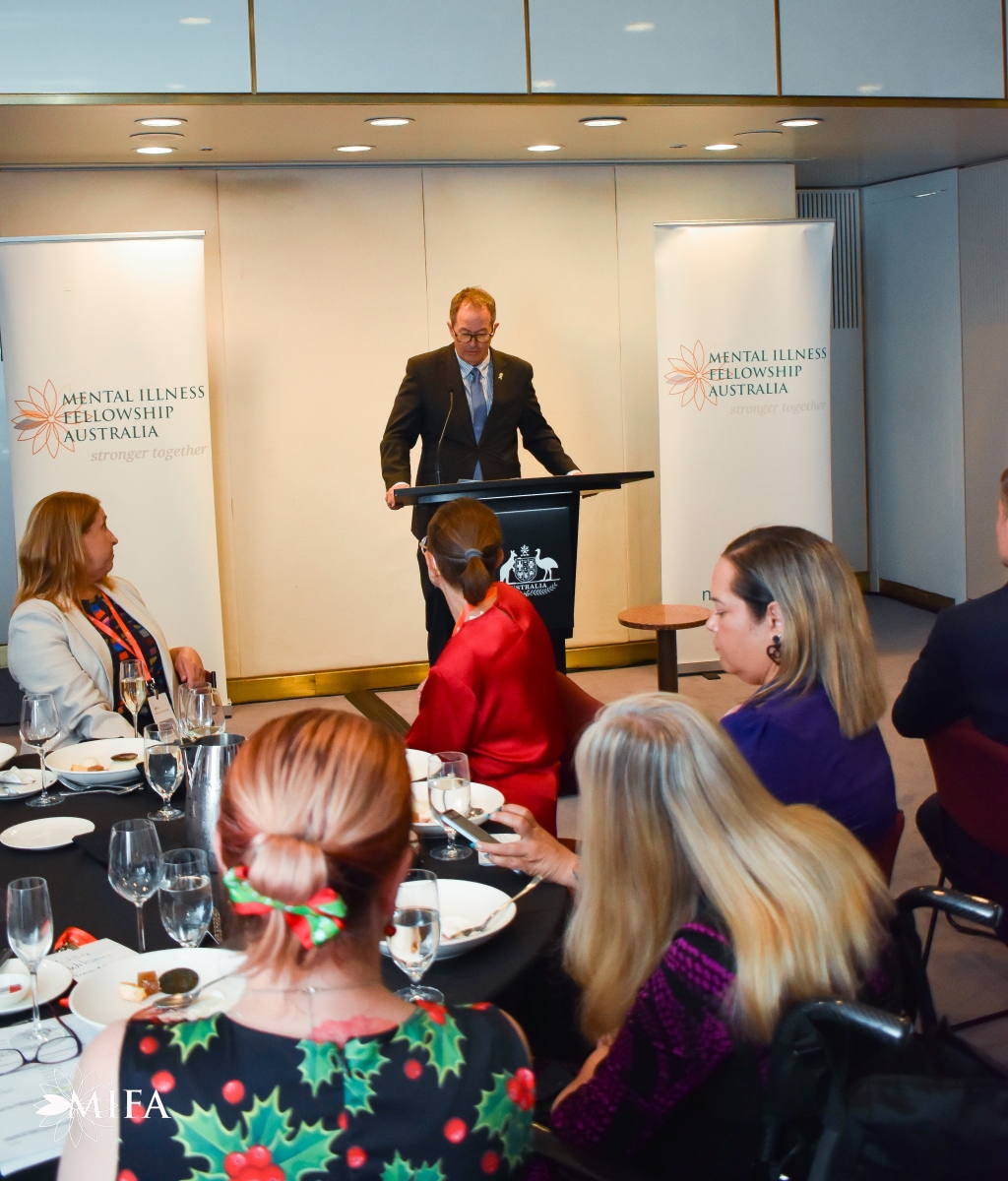
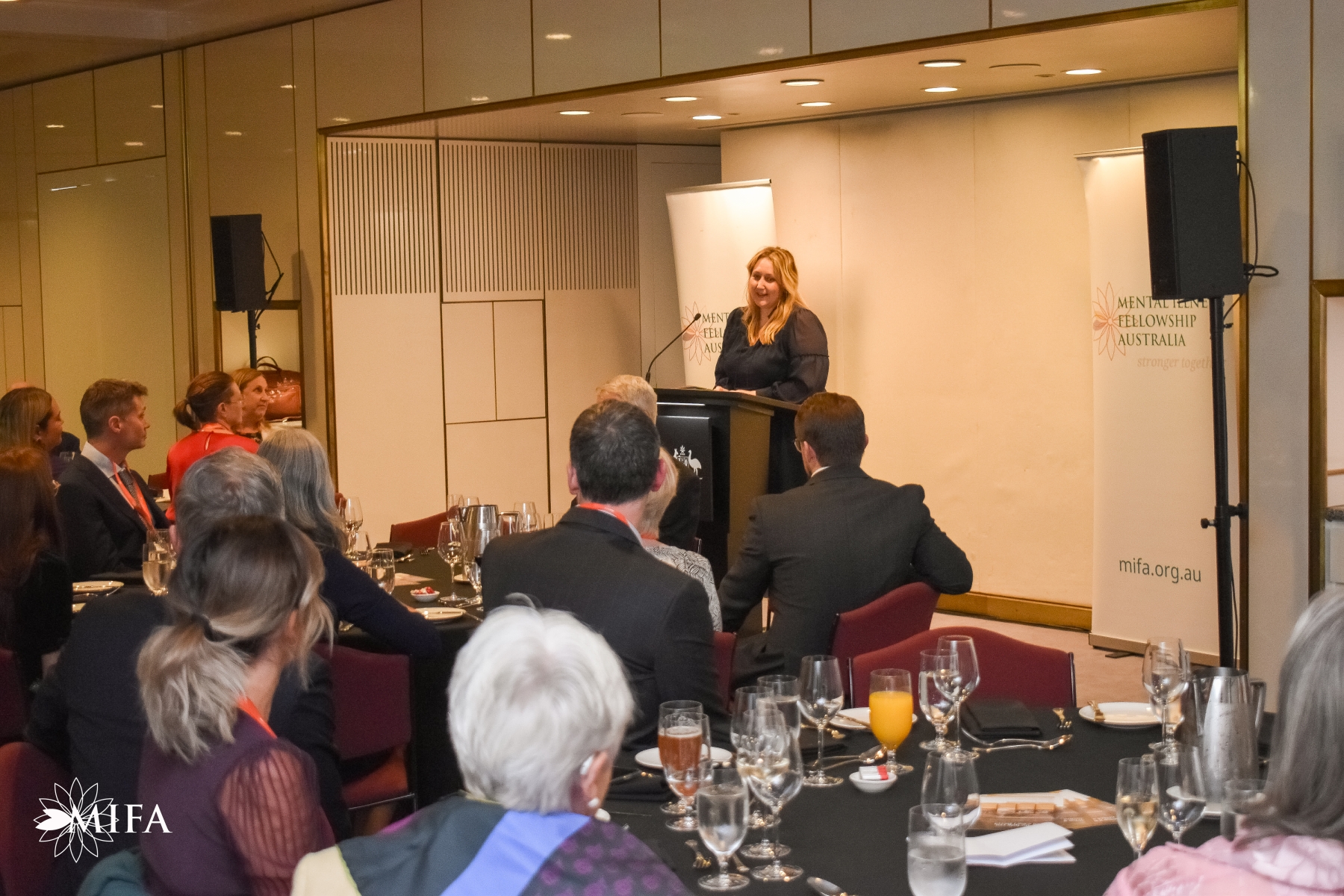
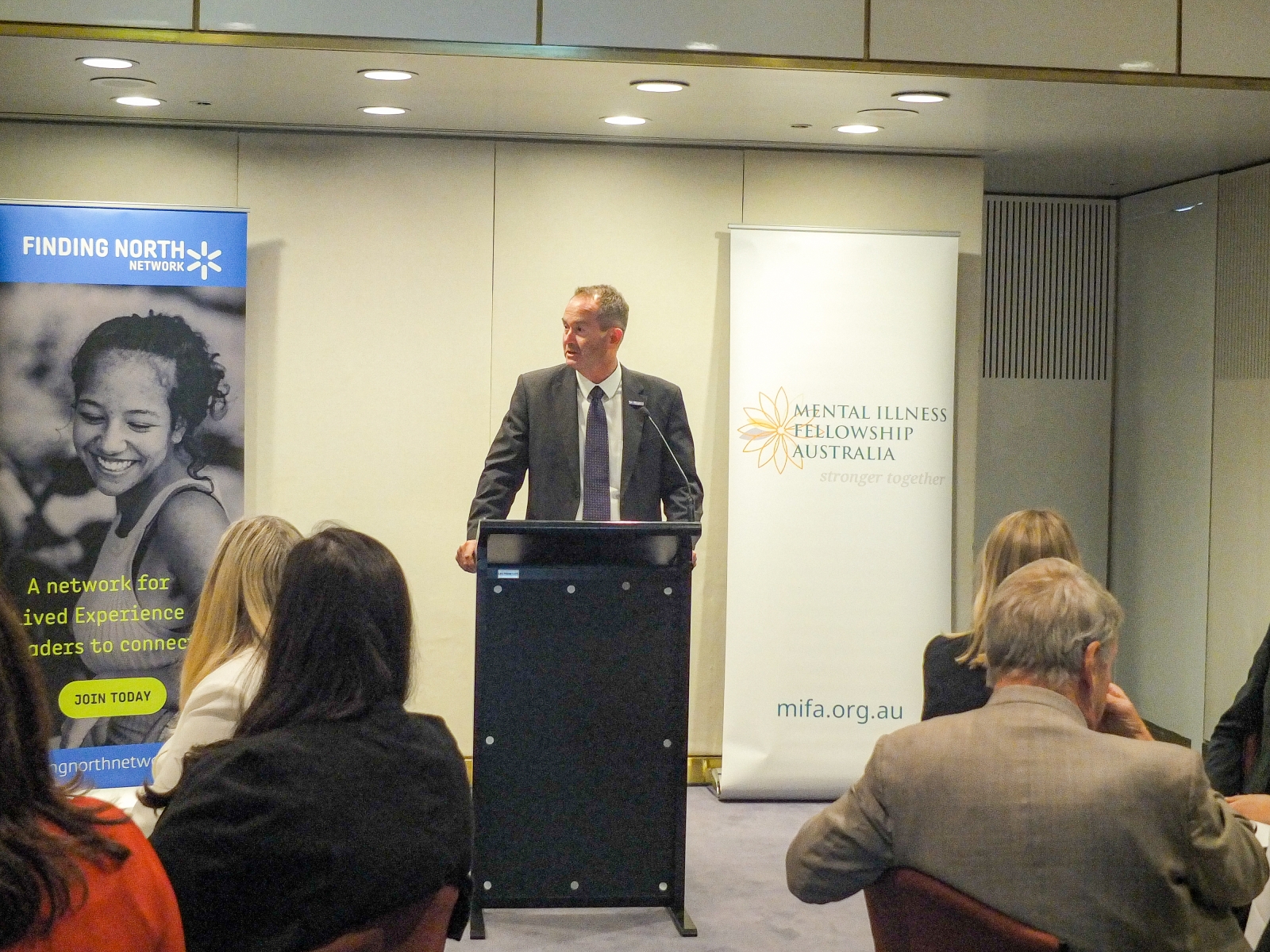
Invitation-only Parliamentary Friends of Mental Health reception exploring deep listening and knowledge-to-action to strengthen psychosocial supports and reform

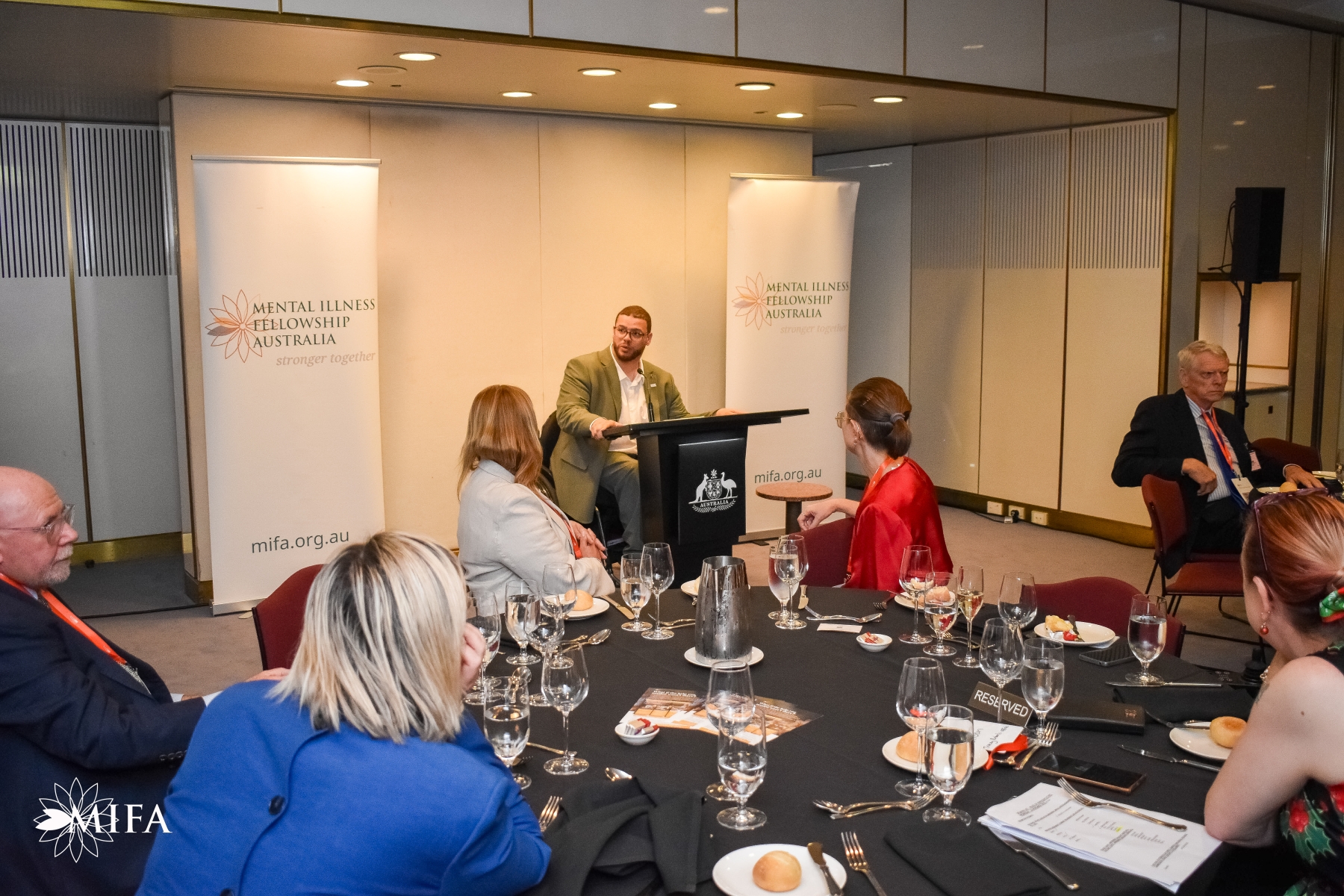
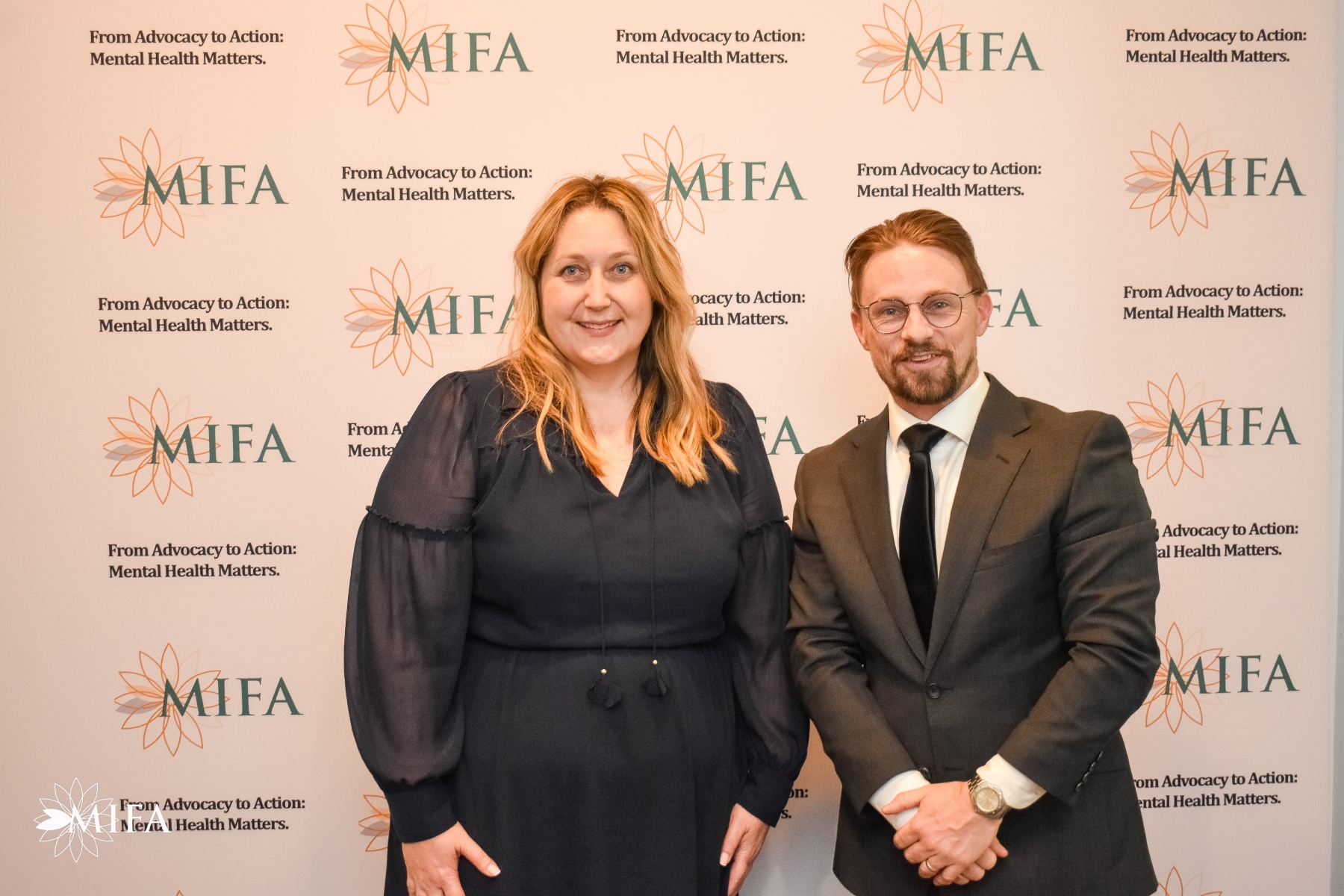
Hear from Rachael Hill and Cameron Thayer in a powerful, solutions-focused conversation about the impact of listening — and what it means for real-world change.

Rachael, a victim/survivor, advocate and mum, will share her experience navigating complex support systems, she is a graduate of the Finding North Lived Experience Speakers Program, funded through the Information, Linkages and Capacity Building (ILC) Program.

Cameron, CEO of Karakan (QLD) and a proud MIFA Member, brings both a personal and professional perspective, drawing on family experience and Karakan’s innovative, recovery-oriented service model shaped by lived experience and evidence-informed practice.

Together, they will explore how authentic listening can lead to better outcomes — supporting recovery, reducing avoidable hospitalisation, and strengthening psychosocial supports as national mental health reform continues.

Canapés and refreshments will be served at this parliamentary reception.

Invitation Information

This is an invitation-only reception. To assist with planning and security requirements, registration is required and limited to the invited guest.

Please make sure you register using the same name that appears on your identification.

Register here (Opens in a new tab)

Speakers

Untitled design (4)

Racheal Hill
Rachael Hill is a victim/survivor, advocate and mum who uses her lived experience to drive change. In 2018, after leaving an abusive relationship, her life unravelled — her children were removed, she experienced substance dependency and mental health challenges, and was homeless for over four years without support, feeling abandoned by the systems meant to help.
Eight years later, Rachael stands strong and determined to ensure no one else has to navigate that journey alone. Her lived experience is now her purpose.

Rachael Hill (1)

Cameron Thayer, CEO Karakan
Cameron has worked in human services for 18 years and through his own lived experience, Cameron has a strong focus and passion for driving and leading social innovations and program development to support marginalised people who fall through the gaps of social systems and service infrastructure. He has led the development of both national and localised service innovations and programs. 

Cta banner bg

Mental Illness Fellowship Australia

Amplifying the voice of people affected by severe mental illness, their families, and friends.